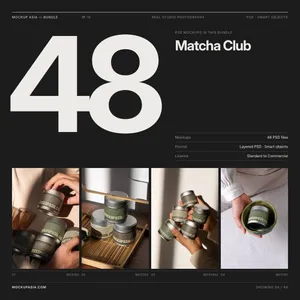
I started making mockups because I could not find the ones I needed for my own packaging work. Most were over-styled 3D renders or badly layered PSDs, so I began shooting real cans, coffee bags and matcha tins in natural light. That library became Mockup Asia.
Today I also use AI image tools every week. So this is not an argument against AI. It is a practical answer to a question designers keep asking: when is an AI mockup good enough, and when do you still need a photo-based one?
Where AI mockups are genuinely useful
- Early direction. Comparing five colourways, three finishes or two bottle shapes in an afternoon. Speed matters more than accuracy here.
- Moodboards and internal reviews. Showing a team the feeling of a scene before anyone commits to a shoot.
- Social content with a short life. A story or a teaser where nobody zooms in.
Where photo-based mockups still win
- Approving real packaging. Clients look at labels the way shoppers will: up close. AI scenes often bend text, invent extra seams, get lid sizes wrong or melt small type. A client who spots one strange detail starts doubting the design itself.
- Exact artwork. In a PSD, your file is placed through a smart object at its real proportions. In most AI tools, the model redraws your label, so logos and legal text can change.
- Consistency across a range. A coffee line with six bags needs the same light and angle on every item. Photo series are shot that way on purpose; AI scenes drift from image to image.
- Print-adjacent decisions. Kraft versus white paper, matte versus gloss. Real photography shows how a material takes ink. AI shows how it imagines it.
What the market is telling us
Designers clearly use both. Prices for generic mockups have dropped as AI tools and free alternatives have spread, and I have seen that in my own shop’s average order value. But the files that keep selling are specific, carefully lit photo scenes in categories where detail matters, like matcha tins, coffee bags and slim cans. Designers still pay for realism when a client decision depends on it.
A simple rule I use
If the image helps you decide, AI is fine. If the image helps a client decide, use a real photo mockup.
Making a photo mockup look its best
- Choose the scene for your palette. Warm, low sun suits earthy coffee and matcha brands; cool studio light suits skincare and tech.
- Design the full flat wrap for cans and cups, and keep key text in the front third.
- Present a small series: one hero shot, one close-up, one in-hand or in-use.
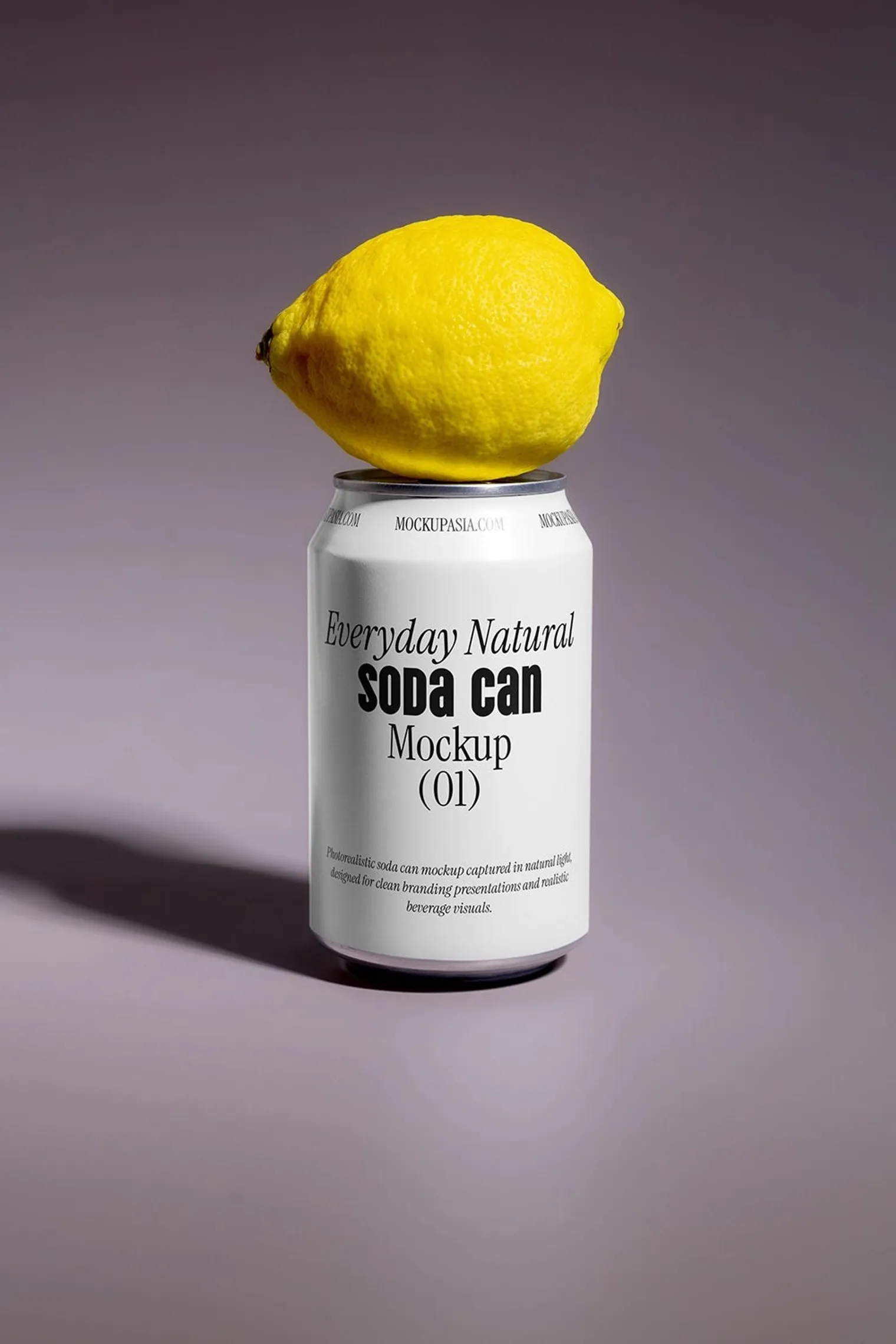
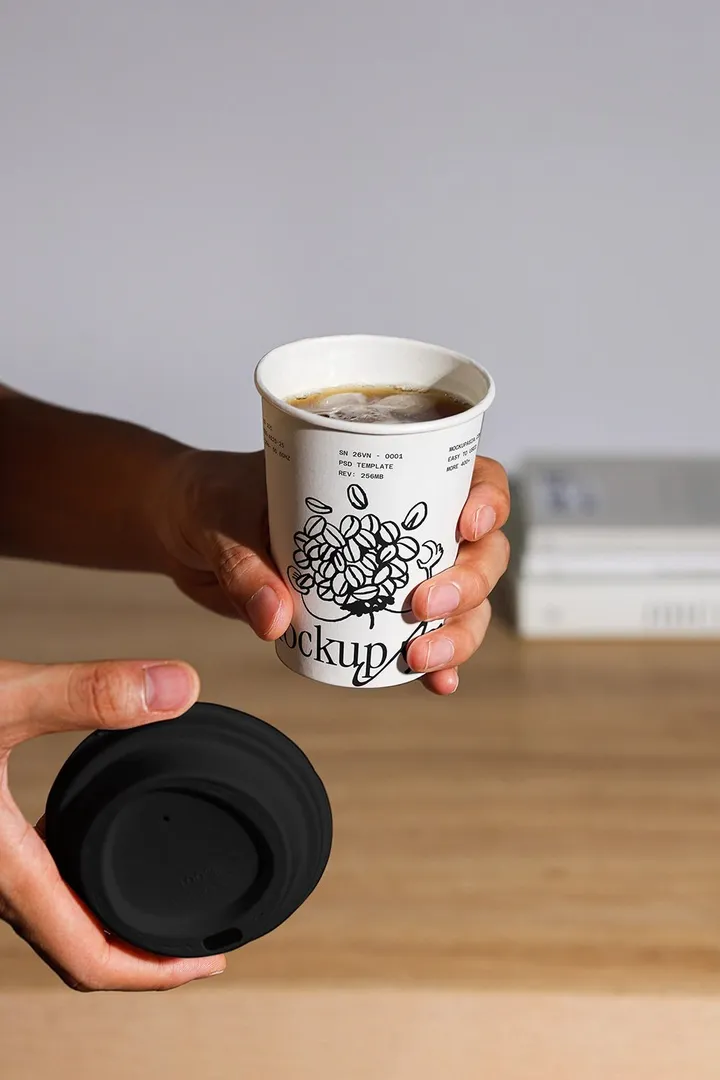
Free photo-based scenes to try: the soda can with lemon, the iced coffee cup and the pump bottle with lather. For setup help, see how to use a PSD mockup without blurry results.
Mockup Asia
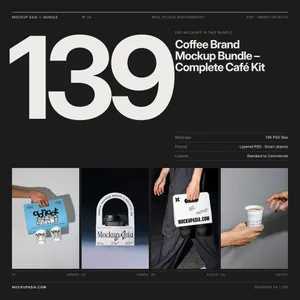
Coffee Brand Mockup BundleCups, bags, cards and signage in one consistent light.
More guides
All guides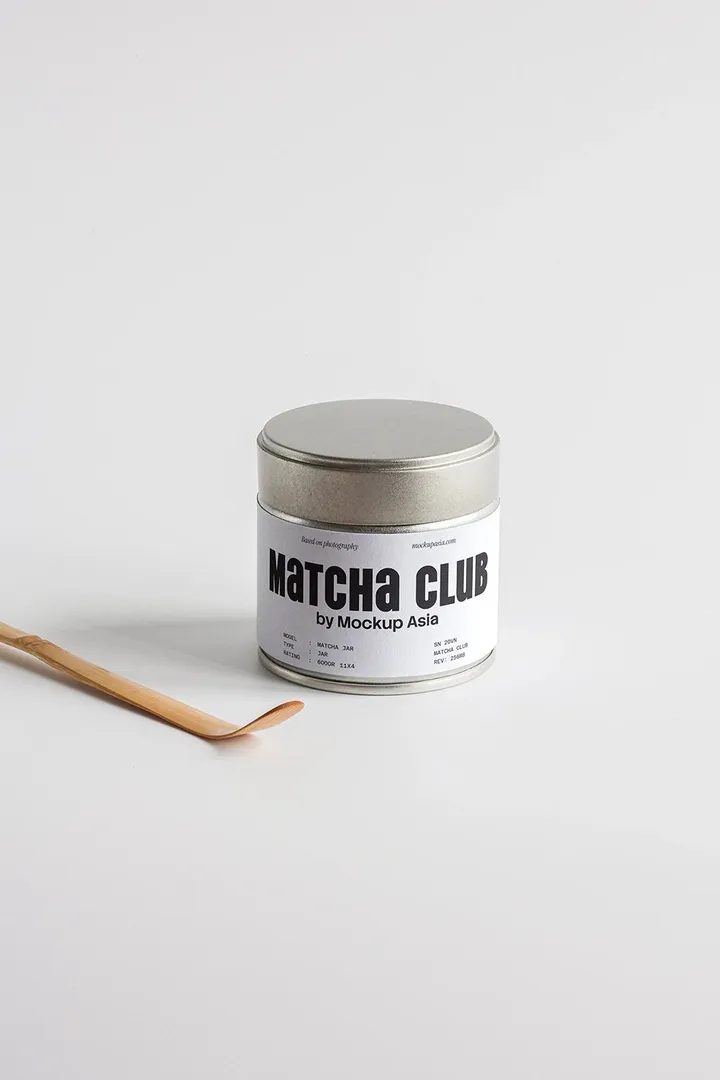
Designing a Matcha Brand: Lessons From Real Projects
What I have learned designing matcha and Japanese café brands: colour, type, tins versus pouches, and how to present the packaging so owners say yes.
How to Use a PSD Mockup Without Blurry Results
A packaging designer's walkthrough of smart objects in PSD mockups, plus fixes for the five problems that make a design look blurry, stretched or fake.
Can You Use Free Mockups for Client Work? Licences Explained
Personal, commercial, standard, extended: what free and paid mockup licences actually allow, written by a mockup maker who answers these questions every week.